Congratulations on your new baby!
Today we’re sharing information about feeding your baby and what to do when your baby cries. Many new parents have questions and worries. We’ll do our best to answer as many common questions as we can.
You may also find Your Guide to Postpartum Health and Caring for Your Baby helpful in the next few months. |
Feeding your baby
Newborn babies feed at least eight times every 24 hours. This does not mean they feed every three hours. Watch for your baby’s cues and respond to them. Your baby’s cues will help you know when they are ready to feed, if they need a break, and when they are finished feeding.
When your baby is hungry, they may:
- Open their mouth
- Suck on their hands
- Move their head back and forth
- Stretch
Crying is a late sign of your baby’s hunger, and you may find that your baby is more difficult to latch when they are crying. Calm your baby by cuddling, holding them skin-to-skin, rocking, talking, or any other method that works for you.
When your baby is full, they may:
- Be still and relaxed
- Fall asleep
Feed your baby as often and for as long as they want. Watch your baby, not the clock. Night feeds are normal and important, and will last for many months. Babies often cluster feed in the evening, which means they want to feed often for short periods.
Holding your baby skin-to-skin is a great way to soothe them. If you are breastfeeding or chestfeeding, this helps your body to make milk too.
Signs your baby is feeding well
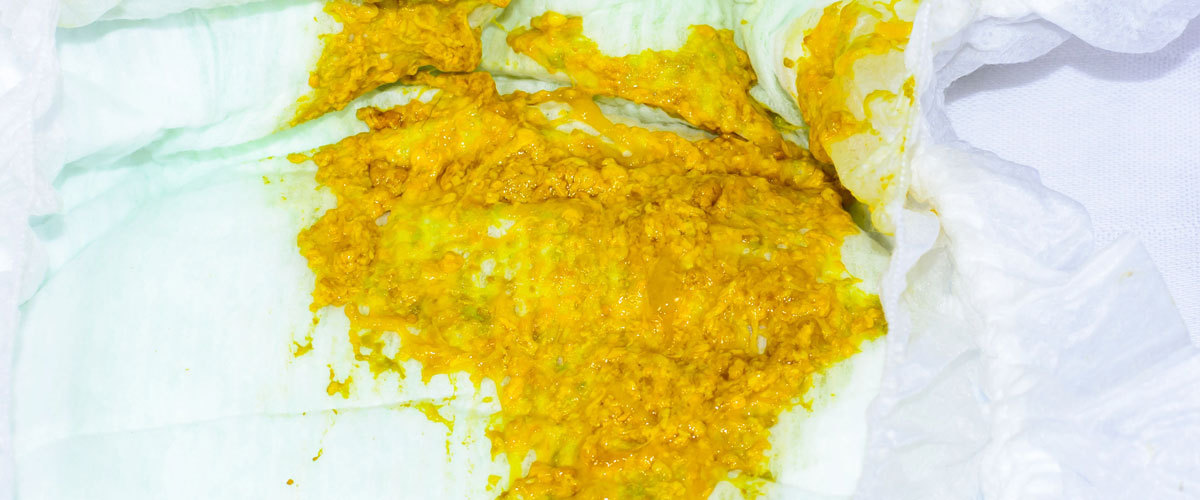
Parents often worry if their baby is getting enough to eat. One way to tell is how often your baby poops and pees. Your baby should be having at least the number of wet and dirty diapers listed. If there is poop and pee in one diaper, you can count it as both. |
Day 1
At least: One wet diaper and one dark green or black poop |
|
|
Day 2
At least: Two wet diapers and one dark green or black poop |
|
|
Day 3
At least: Three wet diapers and three brown, green or yellow poops |
|
|
Day 4
At least: Four wet diapers and three brown, green or yellow poops |
|
|
Day 5 to 3 weeks old
At least: Six heavy, pale, or clear wet diapers and three large, soft, yellow or brown poops |
|
|
Other signs your baby is feeding well
- Your baby has a loud cry and their eyes look alert.
- Your baby's mouth is wet and pink.
- Your baby looks relaxed and sleeps after feeding.
- If you are breastfeeding, your breasts feel softer after feeds.
|
Breastfeeding or chestfeeding
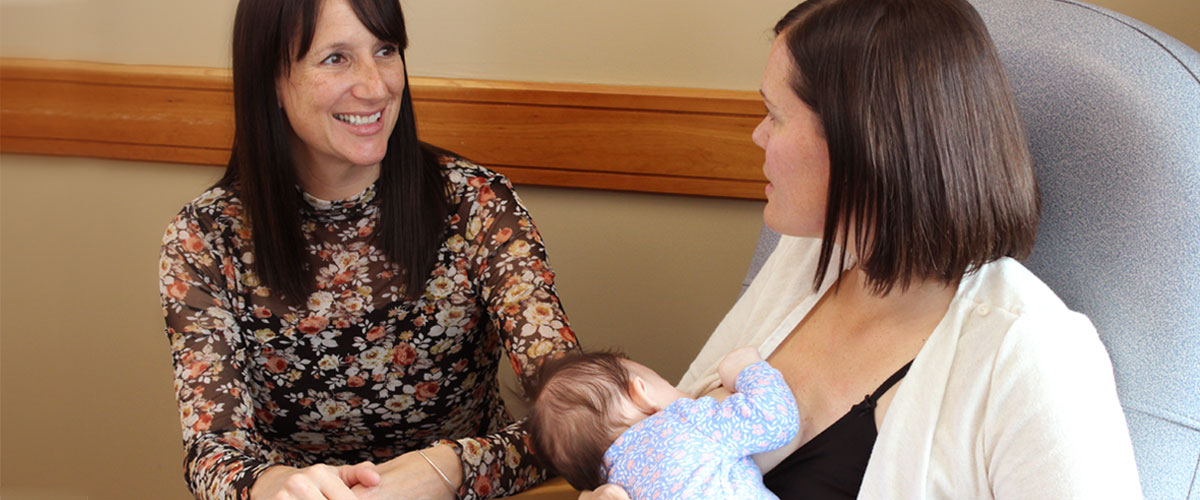
Breastmilk (human milk) is the only food your baby needs for the first six months of life. It provides nutrition and fluids, and helps protect your baby against illness. Breastfeeding or chestfeeding is a new skill that both parents and baby are learning, and it may take time for you to feel confident. |
Helpful tips:
- Offer both sides at every feed but focus on emptying the first side. Your baby might only feed for a short time on the second side.
- Wake your baby by burping them or changing their diaper between sides. This helps increase their alertness so they may feed better.
- Feeds usually last 20 to 40 minutes in total (both sides). Watch your baby’s cues, not the clock to know when your baby is full.
- If you are unable to give your baby your own milk, it is not recommended to give another parent’s milk unless it has been pasteurized through a regulated human milk bank.
|
Learn more tips about breastfeeding and how to get support: |
Feeding formula
If you are feeding your baby formula, it is recommended to give store-bought infant formula made from cow’s milk.
|
It is important to know:
- How to prepare, store and transport formula
- When and how to feed your baby by reading their cues
- When supplementation may be needed for a breastfed or chestfed baby
|
Preparing formula with well water
If you use well water to prepare formula, it is important to have your water tested for contaminants such as nitrates, lead, and bacteria. |
Nitrates are especially harmful to infants under six months of age. The health risk is immediate and can be fatal. Boiling your water will not get rid of nitrates, it will only concentrate them.
To test your drinking water for lead and nitrates, contact a Ministry of the Environment, Conservation and Parks (MECP) licensed laboratory. Contact Southeast Public Health for help interpreting your drinking water results and to discuss corrective measures. |
Comforting your baby
All babies cry. It’s how they communicate with us. Some babies cry a lot! Your baby might not stop crying no matter what you try.
You cannot spoil a baby with too much love and comfort. Comforting your baby when they are upset teaches your baby that you will be there when they need you. When you respond with care each time, your baby learns they are safe and cared for. This helps them feel calm, secure and confident as they grow.
When your baby cries, first try:
- Picking them up
- Feeding them
- Checking their diaper
If your baby is still upset:
- Speak to them softly
- Rock them or use gentle movement
- Snuggle them skin-to-skin
|

|
When you can't settle your baby
There may be times when you can't settle your baby's crying. This is normal and happens to all parents, but it is very frustrating. When this happens, it might help to:
- Take a few deep breaths. Tell yourself “this will be okay.”
- Ask for help from a friend or family member.
- If you are feeling frustrated, put your baby safely and calmly into the crib. It is okay to leave your baby crying in a safe place for a short time until you are calm.
Shaken Baby Syndrome can cause brain damage, disabilities, or death. Never shake your baby. If you think your baby has been shaken, call 9-1-1 or go to the emergency room. |
Infant feeding supports
Southeast Public Health
We are here to help you on your feeding journey! If you need help with infant feeding or have questions, we offer free, one-on-one support either over the phone or in person. |
Health811
Health811 offers breastfeeding support 24 hours a day, in different languages. Dial 811 to connect with this service. |
Primary care provider
If you are concerned about your baby’s health, contact your primary care provider. |
Again, congratulations from all of us at Southeast Public Health. We’ll be in touch again when your baby turns one week old. |
|
|
|
|